Muslim festivals in India are celebrated according to the Islamic calendar. Explore our section to know all about the important Muslim festivals in 2021.
Muslim Festival
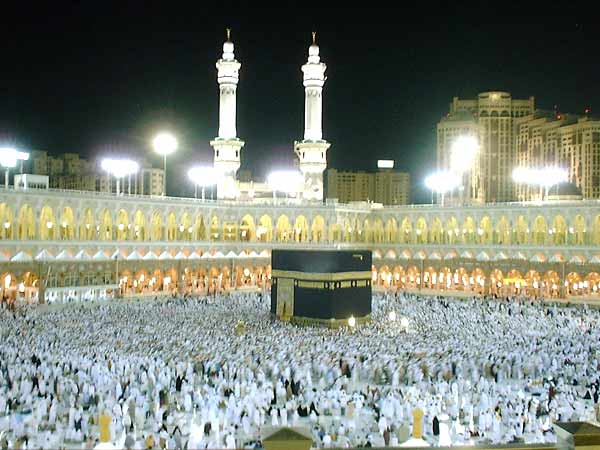
|
Muslims in India observe all the Islamic festivals that are celebrated in other parts of the world. In addition to the festivals, the days commemorating shrines in India and death anniversaries of saints, are also observed with religious fervor. All the Muslim festivals and observances in India follow the Islamic calendar, which has fewer days than the solar year. Therefore, each year, the dates of Muslim festivals keep changing. The important Muslim festivals that are celebrated in India, include Ramzan (Ramadan), Muharram, Id-e-Milad and Bakr-Id. The celebrations of the auspicious occasions are marked by special prayers offered in mosques, fasting, feasting and exchange of wishes.
The most important Muslim festival in India is Ramzan, which extends through the Islamic month of the same name. It acquires the character of a nationwide fair, with the Muslim areas becoming bright and lively towards the evening and remaining awake almost throughout the night. All through the days of celebrations, people following Islam would observe stringent fast, which is broken only in the dusk, after offering prayers to the Almighty. There is a fixed timing for every ritual performed for the festivals. People belonging to other communities enthusiastically take part in the merrymaking, which represents unity in diversity prevalent in India.
All the prominent Muslim festivals are celebrated with religious fervor, in India. Ramzan finds special place in the calendar of events. Holiday is declared in educational institutions and government offices, on the occasion of Ramadan. Bakra-Eid is the 'feast of sacrifice', celebrated from the tenth to the twelfth day in the Islamic month of Dhul Hijjah. Celebrated after the fasting month of Ramzan, Ramadan encompasses a number of rituals that are performed on specific time. Muharram commemorates the martyrdom of Prophet Mohammed's grandson, Imam Hussain. Go through our related section to know more about Muslim festivals celebrated in India.
| Muslim Festivals Calendar 2021 |
| March |
14, Sunday | Mothering Sunday |
| April |
12, Monday | Ramadan Begins |
| May |
12, Wednesday | Id-ul-Fitar, Ramadan Ends |
| July |
19, Monday ~ Friday, Jul 23 | Eid ul-Adha |
| August |
09, Monday | Al-Hijira, Muharram Begins |
| 18, Wednesday ~ Thursday, Aug 19 | Ashura |
| 19, Thursday | Muharram Ends |
| October |
18, Monday ~ Tuesday, Oct 19 | Milad un-Nabi |
| 19, Tuesday | Milad un Nabi (Shia) |
* Subject to appearance of Moon


